Old-World Wall Finishes Reimagined

Today we explore Old-World Wall Finishes: Lime Plaster, Tadelakt, and Durable Alternatives, celebrating materials that breathe, age beautifully, and protect interiors with natural elegance. From mineral chemistry to hand-burnished gleam, discover how these finishes blend history and performance, why they feel alive under changing light, and how modern builders adapt them for baths, kitchens, and living rooms. Expect practical guidance, illuminating stories, and clear comparisons so you can choose confidently, maintain wisely, and enjoy walls that tell quiet, enduring stories.

What Gives Lime and Tadelakt Their Lasting Power

Behind their beauty lies a working science of minerals, moisture, and time. Lime cures by drawing carbon dioxide from the air, forming stone-like calcium carbonate that resists mold and lets walls breathe. Tadelakt densifies through patient burnishing and soap sealing, creating a silky, water-shedding surface ideal for intimate spaces. Together they offer comfort, acoustic softness, and a patina that deepens instead of degrading. Understanding these mechanisms helps you design rooms that stay healthy, resilient, and quietly radiant for decades.

The Grace of Carbonation

When lime plaster cures, calcium hydroxide slowly absorbs carbon dioxide to become calcium carbonate, bonding intimately with mineral substrates. This process creates micro-porosity that releases trapped humidity, reduces condensation, and supports indoor comfort. Because the surface slowly mineralizes, minor scuffs often polish away, while small cracks can be reworked. The result is a finish that feels matte yet luminous, pleasantly cool to the touch, and surprisingly forgiving in everyday life, especially in climates where seasonal moisture swings would challenge synthetic coatings.

Tadelakt’s Soap-Sealed Sheen

Moroccan artisans perfected tadelakt by compressing lime plaster with river stones, then sealing it with natural olive soap, allowing lime and fatty acids to form a moisture-repelling surface. The technique produces a softly reflective glow, warm under candlelight and calm beneath morning sun. Unlike glossy tiles, it avoids grout lines and hard reflections, offering a continuous skin that gently embraces curves and niches. With mindful care, bathrooms, steam rooms, and showers can enjoy luxurious tactility without sacrificing practicality or hygiene.

Mineral Binders Versus Modern Blends

Natural lime and clay prioritize breathability, repairability, and graceful aging, while modern binders emphasize speed, hardness, and water resistance. Cement-lime mixes and polymer-modified microcement expand application possibilities, especially over difficult substrates, yet may trade some vapor diffusion. Selecting intentionally means matching performance to location, tolerance for maintenance, and your desired visual narrative. For heritage restorations, pure lime often wins; for wet zones and quick timelines, hybrids may shine. Knowing the trade-offs ensures confidence and fewer surprises long after installation.

Masonry, Gypsum, and Board Considerations

Brick and stone offer natural tooth but may demand desalination or lime-compatible bonding coats. Gypsum is smooth and thirsty, inviting careful priming and mesh reinforcement around joints. Cement board tolerates wet areas but benefits from pre-scoring or mineral primers to improve grab. Each substrate drinks water differently, so adjust timing and misting accordingly. Patience here prevents delamination, blotchiness, and premature cracking, allowing subsequent coats to cure as a single coherent shell rather than a stack of competing layers.

Managing Moisture and Salts

Rising damp and efflorescence undermine even the finest plaster. Identify sources of moisture, improve drainage or ventilation, then treat salts with poultices or sacrificial coats designed for safe removal. Favor breathable solutions over impervious barriers, especially in historic envelopes where trapped humidity can escalate hidden damage. In wet rooms, pair mineral-friendly waterproofing with vapor-open top layers and soap sealing where appropriate. Addressing moisture holistically delivers healthier rooms, fewer callbacks, and finishes that keep their color clarity and tactile charm.

Tools, Timing, and Patience

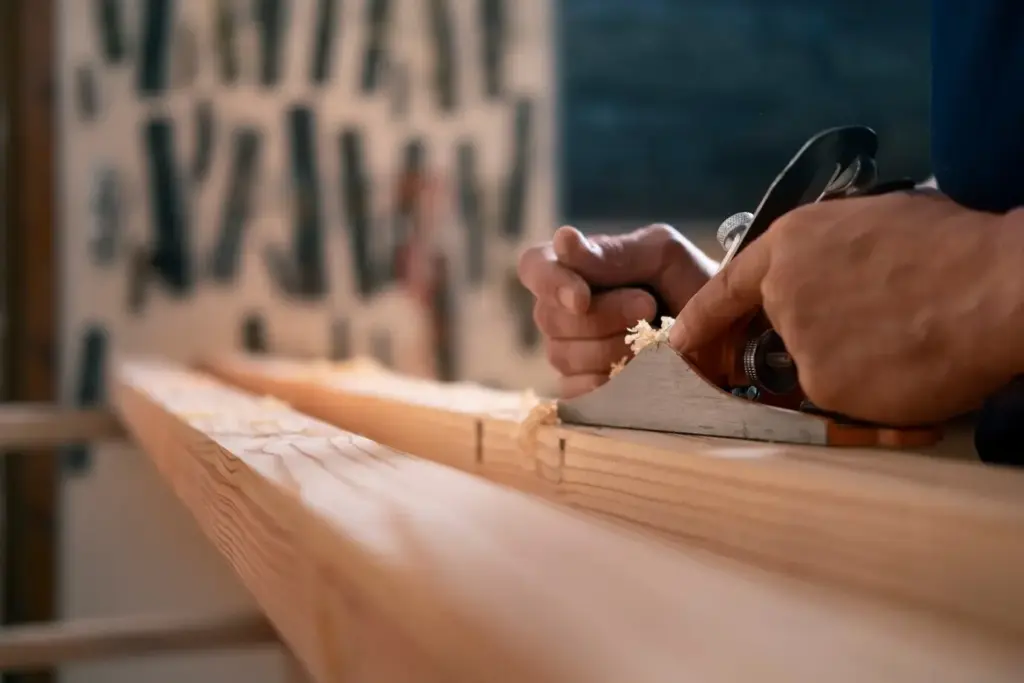
A stainless trowel for smoothness, a flexible Japanese trowel for finesse, a wooden float for texture, and a burnishing stone for tadelakt will take you far. Respect open time: mist to maintain workability, pause to let crystals knit, then refine. Rushing traps water and weakens the matrix; waiting too long can scuff or tear. Keep tools impeccably clean to avoid dragging grit. Craft shines where timing meets touch, turning predictable technique into the quiet confidence of beautifully resolved surfaces.

Preparing Substrates for Success

Beautiful finishes begin long before the final trowel pass. Sound substrate preparation controls suction, manages salts, and creates a reliable mechanical key. A carefully chosen basecoat, toothed or sanded as needed, helps subsequent layers grab and cure evenly. Edge reinforcement prevents stress cracking, while moisture-aware primers deter failure in bathrooms and kitchens. By respecting the wall’s history and condition, you set the stage for depth, movement, and durability that no paint-only solution can replicate, even under challenging light and temperature swings.

Techniques That Create Depth, Glow, and Character
Layering for Nuance and Movement

Begin with a tuned basecoat, then add two or three translucent passes, each slightly different in tone or aggregate size. Feather edges to avoid ridges, and compress selectively to reveal soft tonal shifts. This approach builds visual depth without heaviness, echoing limestone or polished stone. Where daylight grazes, the surface whispers rather than shouts, revealing brushless character that paint struggles to emulate. Photographs look good; in person, however, the sensation becomes dimensional, inviting fingertips and unhurried glances.

Polishing, Burnishing, and Subtle Protection

Begin with a tuned basecoat, then add two or three translucent passes, each slightly different in tone or aggregate size. Feather edges to avoid ridges, and compress selectively to reveal soft tonal shifts. This approach builds visual depth without heaviness, echoing limestone or polished stone. Where daylight grazes, the surface whispers rather than shouts, revealing brushless character that paint struggles to emulate. Photographs look good; in person, however, the sensation becomes dimensional, inviting fingertips and unhurried glances.

Corners, Niches, and Curves

Begin with a tuned basecoat, then add two or three translucent passes, each slightly different in tone or aggregate size. Feather edges to avoid ridges, and compress selectively to reveal soft tonal shifts. This approach builds visual depth without heaviness, echoing limestone or polished stone. Where daylight grazes, the surface whispers rather than shouts, revealing brushless character that paint struggles to emulate. Photographs look good; in person, however, the sensation becomes dimensional, inviting fingertips and unhurried glances.

Durable Alternatives and When to Use Them
Not every project suits pure lime or traditional tadelakt. Microcement, silicate paints, and cement-lime hybrids can solve time, substrate, or budget constraints while delivering refined, mineral-forward visuals. The key is aligning expectations: some systems prioritize impermeability, others breathability; some offer rapid turnaround, others long curing but sublime tactility. By understanding strengths, maintenance, and repairability, you can specify wisely, avoid overpromising, and give clients finishes that endure real life. Select with clarity, install with care, and document maintenance early.

Microcement and Polymer-Modified Systems

Microcement spreads thin yet hard, bridging tricky substrates and delivering impressive abrasion resistance. Polymer modification aids adhesion and waterproofing, supporting kitchens and bath surrounds where traffic and splashes test finishes daily. Expect tighter maintenance windows than tile grout yet fewer lines to scrub. Color consistency can surpass natural plasters, but breathability often declines. When timelines are tight and seamless surfaces are needed, microcement excels. Pair it with thoughtful lighting and restrained furnishings to celebrate texture without overwhelming the architectural bones.

Silicate and Mineral Paint Systems

Potassium silicate paints chemically bond to mineral substrates, creating vapor-open, highly durable color layers. They resist UV fading, mold, and peeling, particularly on masonry. Over lime plaster, they maintain breathability while enriching tone without plastic film buildup. Mineral washes and limewashes offer gentle, layered color shifts, ideal for historic envelopes and quiet interiors. While not substitutes for structural plaster, these systems gracefully refresh tired walls, extend service life, and honor the subtlety of mineral textures, especially where frequent repainting would be wasteful.

Cement-Lime Hybrids with Purpose

Where impact resistance or moisture exposure is relentless, cement-lime blends can stabilize surfaces while retaining some of lime’s forgiving nature. They key well, cure predictably, and accept polished plaster techniques with practice. Though less vapor-open than pure lime, they protect in entryways, commercial corridors, and busy family zones. Success depends on honest prep and careful curing; rush and you invite future repairs. Choose this path when toughness matters and a refined, mineral character still belongs at the heart of the design.

Care, Repair, and the Art of Patina

Well-cared-for lime and tadelakt grow lovelier with use. Gentle cleaning preserves the mineral glow; considerate touch-ups meld seamlessly into old layers. In wet zones, renewing the soap finish restores water repellence without heavy coatings. Embrace mild tonal drift and micro-variations as part of the story, not flaws to erase. When you understand what to clean, what to leave, and how to refresh, maintenance becomes a quiet ritual that extends life, protects investment, and keeps spaces grounded and serene.

Inspiration, Stories, and Design Possibilities

Across continents and centuries, mineral finishes have shaped spaces for bathing, commerce, and quiet rest. Today, designers borrow those lessons to create calming retreats and hardworking kitchens that feel human, tactile, and luminous. We share real-world snapshots, missteps included, so your next project gains honesty alongside beauty. Share your own experiences, subscribe for updates, and tell us what you are building. Together we can refine details, celebrate craft, and keep the knowledge alive through generous conversation and open documentation.
Fuxomikizelilonomu
Privacy Overview

This website uses cookies so that we can provide you with the best user experience possible. Cookie information is stored in your browser and performs functions such as recognising you when you return to our website and helping our team to understand which sections of the website you find most interesting and useful.