
Heirloom Details That Make Renovations Truly Endure


Built to Outlast: The Craft Behind Enduring Homes
Selecting Timeless Materials
Start with materials proven by generations: quarter-sawn white oak for stability, heart pine for warmth, lime-based mortars for breathability, and solid brass for lasting hardware. Reclaimed stock offers seasoned density and character; sustainably harvested new lumber provides consistency. Ask about grain orientation, moisture content, and finish compatibility. When you specify with intent, the materials themselves begin parenting the project, guiding proportion, technique, and care decisions that endure gracefully.
Traditional Joinery, Modern Precision
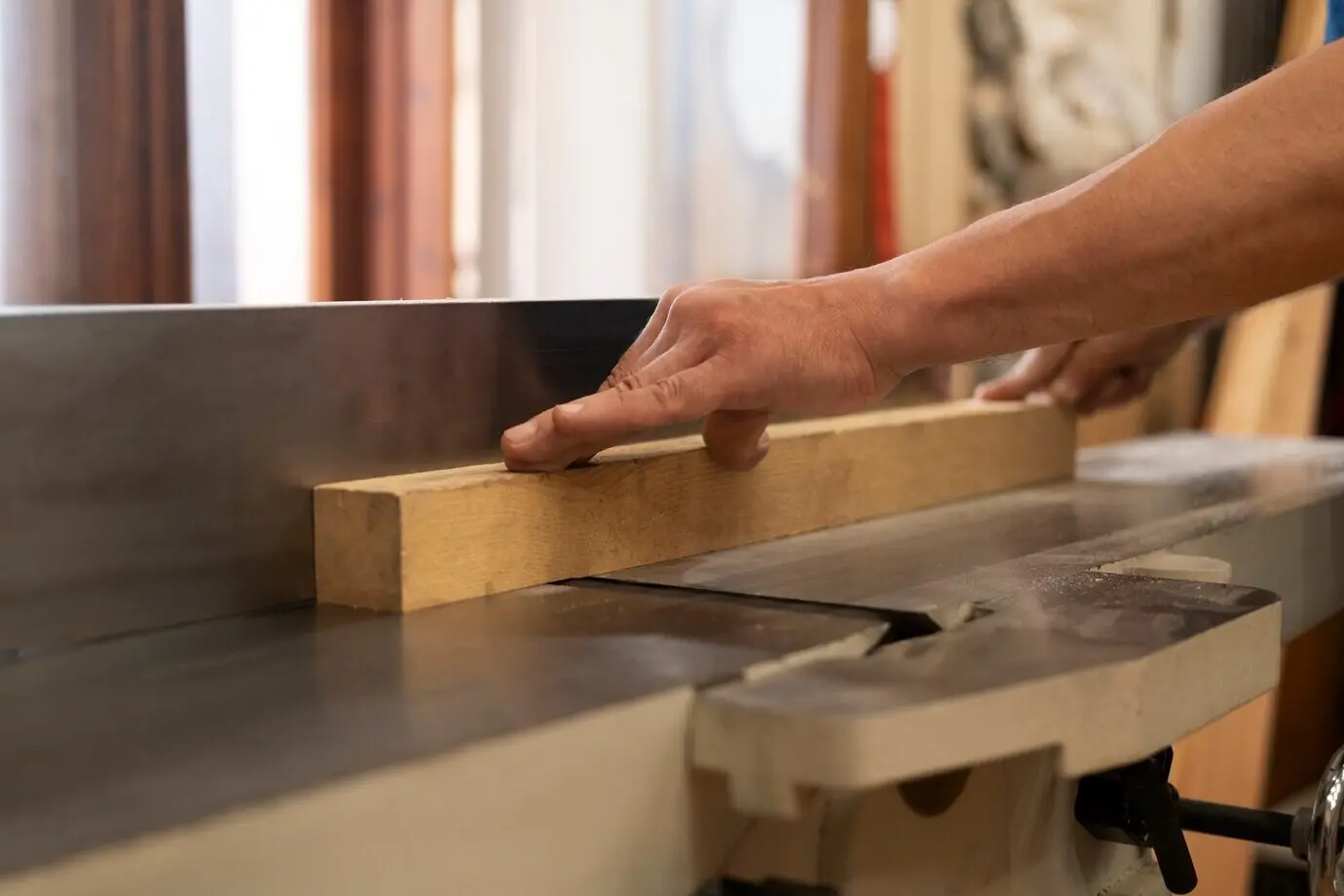
Mortise-and-tenon, dovetails, and draw-bored pegs exist because wood moves and houses live. Marry these practices with modern machinery for accuracy where it matters, then rely on hand skills to tune fit and feel. Use reversible adhesives where possible, avoid trapping moisture with impervious layers, and favor mechanical connections over reliance on glue alone. The result is strength with serviceability, allowing components to be repaired rather than replaced after long, hardworking lives.
Respecting Original Bones
Before dazzling finishes, assess and honor the structure: plumb lines, bearing loads, and the way the building breathes. Sister joists thoughtfully, match historic mortar strength to old brick, and choose reversible fixes whenever feasible. During one restoration, a bowed beam was gently straightened over weeks, preserving original saw marks that later became a cherished conversation piece. Careful stabilization builds confidence, protects history, and sets every subsequent detail up for lasting success.
Millwork That Tells a Story
Profiles and Proportions
Sash Windows Reborn
Stairways with Soul
Stone, Tile, and Plaster with Depth
01
The Case for Lime
Lime plasters carbonate, flex subtly, and breathe, protecting old masonry from trapped moisture. They take pigment beautifully and self-heal micro-cracks over time. In one seaside cottage, switching from acrylic skim to lime transformed damp corners into healthy walls. Application demands patience—base, brown, finish coats—but rewards with depth and quiet luster. The surface becomes a collaborator, not a barrier, accommodating seasons, humidity, and daily living without peeling, blistering, or suffocating underlying structure.
02
Wet Areas Done for Decades
A mud-set shower pan, true slope, careful weep protection, and properly placed movement joints create showers that last and clean easily. Choose grout for maintenance reality—epoxy where needed, cementitious when breathability matters—and respect substrate rigidity. In a century-home bath, a hot-mopped receptor was replaced with a modern membrane detailed thoughtfully, preserving threshold height and original marble trim. Five winters later, grout lines still read crisp, surfaces sparkle, and maintenance remains refreshingly straightforward.
03
Stone as a Living Surface
Marble etches, limestone warms, and soapstone darkens under oils from cooking and touch. Embrace the patina by choosing honed finishes and compatible sealers or traditional waxes. Scribing stone to irregular walls and templating with precision prevents hairline gaps that invite grime. A family embraced countertop etches as memory maps of holiday lemons and birthday cakes. With care instructions on day one, those marks became beloved reminders rather than regrets, enhancing daily rituals gracefully.
Choosing the Right Alloy
Hinges, Latches, and Locks
Lighting as Jewelry
Finishes That Age Gracefully

Wood Finishes with Depth
Walls that Breathe
Floors Built for Generations

Quiet Comfort
Radiant floors paired with outdoor reset controls yield even warmth and lower stress on systems. Where ducts are necessary, line them for sound and size thoughtfully to reduce velocity and whistling. In one brownstone, small high-side returns calmed noise dramatically. Comfort is not only temperature; it is absence of drafts, soft acoustics, and energy use that feels proportionate. When the house exhales slowly, mornings arrive kinder, and evenings invite lingering rather than retreat.
Discreet Power and Data
Plan power like cabinetry: align outlets under rails, add floor boxes within inlaid borders, and use paint-matched covers sparingly. Provide conduits for future low-voltage runs and label everything clearly. A media wall once avoided demolition thanks to thoughtful spare pathways. The best wiring disappears visually yet remains serviceable, making upgrades painless. Consider grommeted desk feeds, under-shelf LEDs, and hidden charging niches, so daily tech habits feel integrated, not scattered, preserving visual calm and enduring order.
Insulation Without Regret
Insulation must respect drying. Vapor-open options like dense-pack cellulose or wood fiber boards often harmonize with older envelopes, reducing condensation risk. Air-seal thoughtfully at penetrations, not with suffocating films. Before replacing windows, consider restoration plus storms to preserve sections and sightlines. In a 1920s bungalow, interior wood fiber panels added comfort and silence while maintaining breathability. The walls stayed sweet-smelling through humid summers, and winter heating needs dropped pleasantly without sacrificing architectural honesty.
Stewardship, Documentation, and Care
All Rights Reserved.