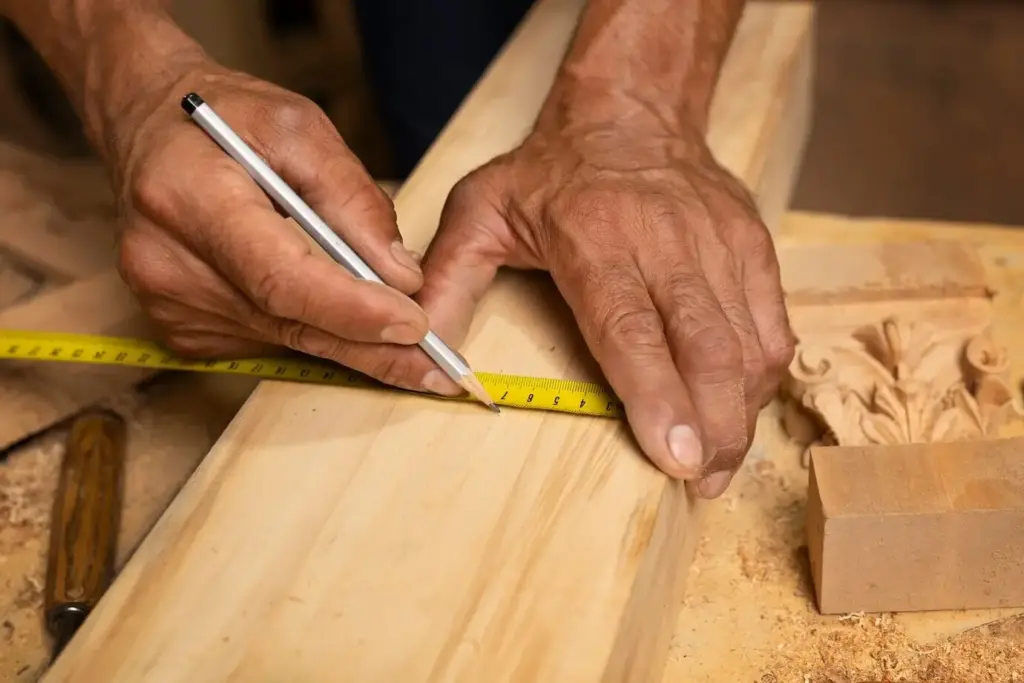
Enduring Character Through Architectural Salvage
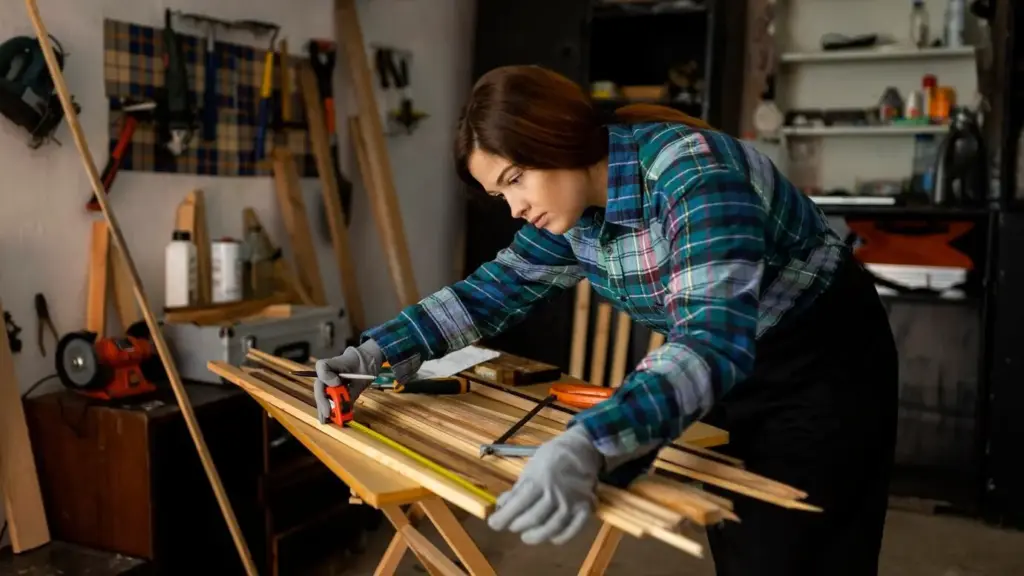
Step into a world where reclaimed doors, vintage windows, and timeworn fixtures become the heartbeat of a space. Today we explore integrating architectural salvage for character that endures, revealing practical methods, inspiring stories, and thoughtful strategies that honor history, reduce waste, and cultivate homes that feel deeply personal, quietly refined, and beautifully resilient for decades to come.

Why Salvage Matters Now

Architectural salvage carries stories that mass production cannot imitate. Each dent, joinery detail, and whisper of patina records real work, real weather, and real lives. Integrating pieces with honest age supports sustainability, preserves craftsmanship, reduces embodied carbon, and establishes a genuine sense of place that remains compelling long after trends fade and fleeting finishes surrender to time.

Where to Look Without Losing Weekends

Start locally with salvage yards, municipal deconstruction programs, and architectural antiques dealers, then widen your search through regional auctions and community marketplaces. Follow demolition permits and preservation groups for timely leads. Build relationships with yard owners who will send early photos and measurements. Consistent presence and courteous questions usually unlock the best pieces long before public listings.

Assessing Condition and Authenticity

Check joinery, wood species, patina consistency, hardware wear, and tool marks that reveal handwork. Compare hinge screw holes for originality. Smell for mildew. Sight along edges for warping. Ask for removal notes. Provenance is wonderful, but rigorous inspection matters more. If a window sash still slides smoothly after decades, that quiet evidence speaks louder than any romantic story.

Negotiating and Moving Safely

Arrive with cash, calm expectations, and a willingness to bundle. Respect the seller’s effort in careful deconstruction. Confirm weight, fragility, and lead risks before loading. Use moving blankets, ratchet straps, and rigid boards under stone. Label hardware in separate bags, photograph assembly, and document measurements. A careful exit saves hours of frustration when installation finally begins at home.

Design Integration Strategies

Successful integration depends on intention. Let one heroic piece lead, then echo its profile, material, or finish elsewhere with restraint. Consider scale, sightlines, and circulation. Balance textures so the old never feels like clutter. When proportions, palette, and purpose align, salvaged elements feel inevitable, as though the house always knew they belonged exactly where they now stand.

Choosing a Confident Focal Point

Pick one element to carry the narrative: a carved mantle, steel factory windows, or a reclaimed island top. Frame it with simplicity. Keep adjacent finishes quiet, and lighting honest. Allow voids around the piece to breathe. This disciplined generosity lets age speak clearly, preventing competition and ensuring the eye rests where story, craft, and function most meaningfully meet.

Balancing Old and New Materials

Contrast crisp plaster with worn brick, matte walls with burnished brass, and clean-lined cabinetry with a scrappy workbench shelf. Unify through a limited color palette and repeated metals. Let modern systems deliver comfort while vintage surfaces provide warmth. The conversation between eras should feel collaborative, never combative, producing spaces that are fresh, legible, and quietly grounded in history.

Restoration and Preparation

Preparation transforms treasures into dependable components. Evaluate structural integrity, moisture content, insect evidence, and finish stability before installation. Address hazards like lead paint and brittle wiring with certified professionals. Methodical work now prevents failures later. When materials are stabilized, sealed, and thoughtfully adapted, they meet contemporary demands while retaining the soulful irregularities that make daily living feel special.

Rooms and Applications

Different rooms invite different moves. Kitchens tolerate hardworking surfaces, entries welcome sculptural statements, and baths reward subtle touches that withstand humidity. Think through daily use, cleaning routines, and lighting. When placement amplifies function, salvaged elements stop feeling decorative and start operating as indispensable partners that quietly elevate everything from breakfast rituals to late-night conversations.

Kitchen Warmth With Workhorse Pieces

Turn a scarred maple worktop into a forgiving island, add bin pulls rescued from a school lab, or suspend a patinated pot rack from repurposed conduit. Prioritize wipeable finishes and clear counter clearances. Under-cabinet lighting flatters textures beautifully. The result is a kitchen that invites use, forgives spills, and makes weeknight pasta feel unexpectedly celebratory every single time.

Bath Serenity With Timeworn Grace

Convert a marble remnant into a vanity top, frame a mirror with reclaimed casing, and use antique hooks for towels. Seal porous materials carefully and vent moisture efficiently. Keep lines simple so age reads as calm rather than cluttered. A few thoughtful gestures transform utilitarian routines into restorative rituals, where patina softens steam and morning light appears unusually kind.

Join the Conversation and Keep Creating

Your home tells a story worth hearing. Share photos of your favorite salvaged find, ask questions about restoration decisions, and subscribe for field guides, project checklists, and fresh case studies. Together we can trade sources, celebrate small victories, and encourage thoughtful reuse that outlasts fast fashion in design while making neighborhoods more distinctive, generous, and environmentally responsible.

Start With One Weekend Project

Choose a simple upgrade, like replacing a builder-grade towel bar with an old brass rail, or installing reclaimed hooks in the mudroom. Document measurements and prep steps, then post before and after shots. Small wins build confidence quickly, helping you learn tools, understand finishes, and spot compatible materials faster on your next, slightly bolder, satisfying rescue.

Ask, Share, and Learn Together

Leave a comment describing a challenging piece you are evaluating, and we will crowdsource advice on condition, finish compatibility, and mounting. If you have expertise, lend it generously. Show your mistakes as well as triumphs. Transparent conversations help everyone avoid costly errors while creating a community culture that prizes patience, craft, and resourceful problem-solving over perfection.

Fuxomikizelilonomu
Privacy Overview

This website uses cookies so that we can provide you with the best user experience possible. Cookie information is stored in your browser and performs functions such as recognising you when you return to our website and helping our team to understand which sections of the website you find most interesting and useful.