Staircases and Railings That Outlast Time
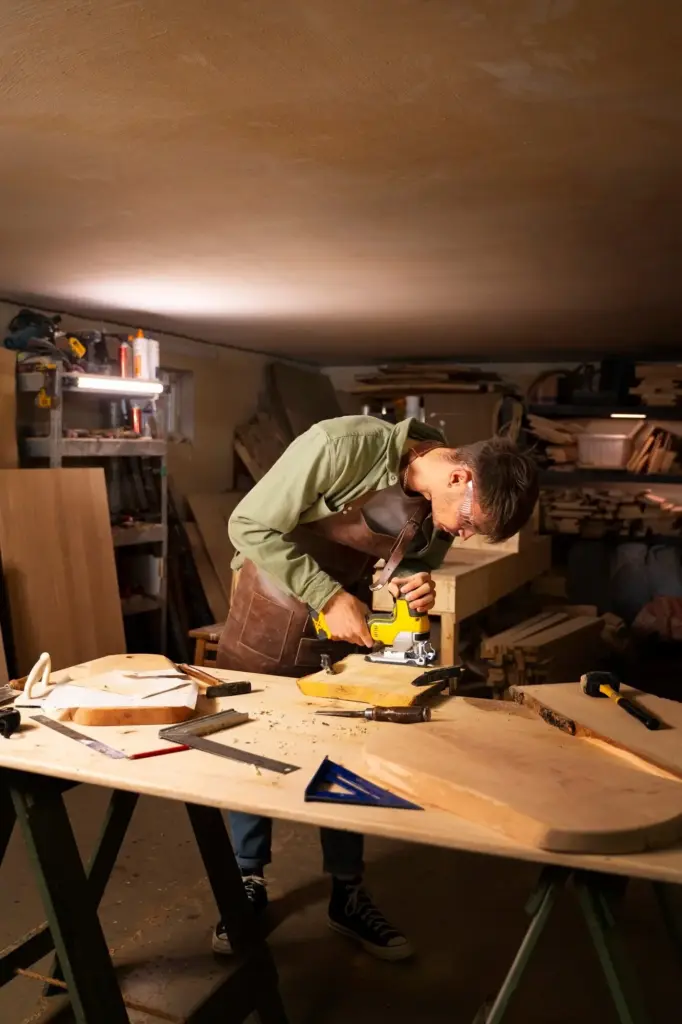
Today we dive into designing staircases and railings for generational durability and craft, blending structural wisdom with human comfort, tactile beauty, and repair-friendly details. Expect practical principles, field-tested stories, and maintenance strategies you can trust. Share questions, subscribe for ongoing guidance, and help us document designs that your grandchildren will praise.

Material Choices that Age with Dignity

Choose species and alloys that improve with years: white oak, ash, or reclaimed heart pine for resilient treads; bronze or stainless for handrails that patinate, not peel. Favor dense, straight-grained stock, kiln schedules that respect stability, and fasteners compatible with each material’s chemistry to prevent hidden, creeping failures.

Structural Loads, Codes, and Human Factors

Design for real life, not averages: accommodate dynamic loads, children sprinting, and furniture moves. Respect local codes on rises, runs, guard heights, and baluster spacing while prioritizing grip, sightlines, and rhythm. Check deflection, not just strength, because stiffness keeps stairs quiet and confidence high through countless footsteps.

Moisture, Movement, and Acoustics

Wood moves with seasons; so should your details. Orient grain, vent cavities, and isolate squeak-prone interfaces with resilient membranes or precise glue lines. Decouple stringers from vibrating framing where possible, and design drainage or vapor control in exterior assemblies to avoid swelling, corrosion, and echoing footfall.

Joinery and Metalwork Mastery

A staircase lasts when its connections forgive movement yet hold firm. We examine housed stringers, wedged treads, drawbored mortise-and-tenons, concealed steel spines, and precisely welded rail posts. By prioritizing repairability and access, small adjustments restore silence and strength without invasive reconstruction.

Design Language and Proportion

Beauty survives fashion when proportions honor bodies and light. Repetition of risers, gentle nosing, and clear sightlines create calm. We consider landing intervals, hand clearance, and transitions so movement feels musical, not mechanical, even when materials evolve or décor changes around them.

Human-Centered Geometry and Rhythm

Map stride length to rise and run so steps invite flow rather than caution. Slightly generous treads encourage conversations on the way up, while consistent lighting eliminates hesitation. Proportion is remembered subconsciously, becoming the quiet generosity families feel every day without naming its source.

Handrails as Daily Companions

Shape profiles to welcome palms of different sizes; a comfortable grasp prevents fatigue and slips. Warm materials prevent winter shock, and continuous runs prevent awkward pauses. Subtle transitions at turns honor muscle memory, turning ordinary trips into moments of ease, reassurance, and understated elegance.

Balusters, Screens, and Open Guarding

Guarding must protect without caging. Honor safety with spacing that defeats a small sphere, yet open sightlines toward windows and social spaces. Consider tension cables, perforated panels, or sculpted wood that filter views like light through leaves, making boundaries feel intentional, dignified, and welcoming.

Choosing Finishes that Repair Well

Hardwax oils, penetrating oils, and spirit varnishes can be spot-repaired invisibly by homeowners with patience and a lint-free cloth. Avoid thick films on handrails that flake. Favor breathable systems on exterior assemblies so trapped moisture does not undermine structure or encourage hidden decay.

Patina, Honesty, and Heritage

Accept small marks on treads and railings as evidence of life. Copper alloys and oiled woods tell time beautifully when cleaned, not stripped. Clear communication about what to expect reduces anxiety, celebrates making, and builds emotional attachment that motivates consistent care across generations.

Stories from Homes that Endure

Lessons travel best through lived experience. We revisit stairs that have carried generations: a farmhouse with a wedged oak flight, a coastal cottage with galvanized guarding, and a compact city stair rebuilt quietly. Each offers details, decisions, and maintenance habits that paid dividends years later.

Responsible Materials with Traceable Origins

Source FSC-certified lumber, reclaimed timbers, and recycled-content metals where feasible. Request mill certificates and chain-of-custody documents. Choosing local species matched to climate reduces movement issues and travel emissions, while supporting nearby craftspeople who will still be available when adjustments or repairs become necessary years later.

Craft Economies and Apprenticeship

Budget time for apprentices on installs and shop builds. Mentorship spreads knowledge about tricky mitered turns, safe stair erecting, and subtle finishing. Families inherit not only a structure, but a local support network empowered to maintain it, keeping culture, safety, and pride intertwined.

Join the Conversation and Plan Your Next Steps

Share photos of stair details you admire or questions about aging finishes. Ask about squeaks, slopes, or handrail warmth. Subscribe for seasonal checklists, download our repair glossary, and help us build a library of durable, repairable solutions that serve families gracefully for decades.

Fuxomikizelilonomu
Privacy Overview

This website uses cookies so that we can provide you with the best user experience possible. Cookie information is stored in your browser and performs functions such as recognising you when you return to our website and helping our team to understand which sections of the website you find most interesting and useful.