Built to Endure: The Art of Traditional Joinery
Today we’re exploring Traditional Joinery Techniques for Long-Lasting Cabinetry and Built-Ins, celebrating joints that lock by geometry, respect wood movement, and invite repair rather than replacement. From dovetails to drawbored mortise-and-tenon, we’ll share practical guidance, shop stories, and design insights that help your work age gracefully, survive hard use, and become the quietly reliable backbone of daily life. Bring curiosity, patience, and a sharp knife line.

Understanding Wood Movement

Wood moves far more tangentially than radially, and along the grain it barely changes at all. Successful cabinetry makes that reality an ally. Leave room in panels, float shelves in grooves, orient growth rings thoughtfully, and use joints that allow expansion without splitting. Measure your shop’s humidity, acclimate boards, and design tolerances around seasonal swings. When geometry, grain, and tolerance sing together, doors stay flat, drawers glide smoothly, and joints remain tight for decades.

Why Mechanical Locks Beat Metal Fasteners

A well-fitted dovetail or drawbored mortise-and-tenon resists tension, racking, and creep without relying on metal threads. Shoulders bear compression, pins trap tails, and pegs preload tenons so glue becomes insurance rather than the sole hero. Metal fasteners can loosen as wood shrinks and swells; geometry cannot lose its bite. That’s why heirloom pieces shrug off vibration, moves, and daily slams. Build the lock into the shape itself, and you inherit quiet strength.

Dovetails, Tenons, and the Cases They Serve
Through and Half-Blind Dovetails

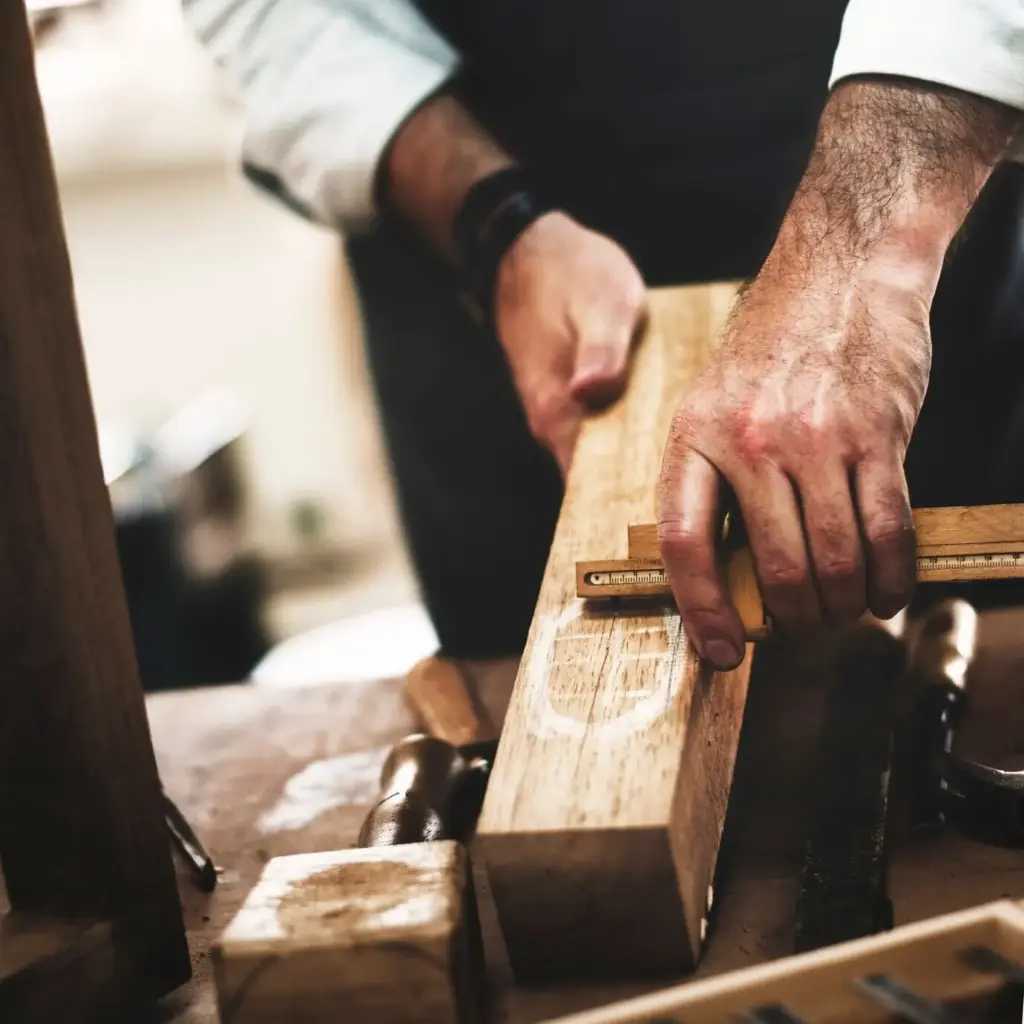
Through dovetails broadcast their strength with exposed pins and tails, perfect for case corners or visible utility pieces. Half-blinds hide their joint at the front, ideal for fine drawers where clean faces matter. Both resist pull apart forces brilliantly when laid out with thoughtful ratios, baseline accuracy, and crisp shoulders. Practice sawing to the line, pare only when necessary, and learn to read tail-first versus pin-first workflow. Soon, your dry fits will click like a well-tuned instrument.
Mortise-and-Tenon Variations That Matter

Through dovetails broadcast their strength with exposed pins and tails, perfect for case corners or visible utility pieces. Half-blinds hide their joint at the front, ideal for fine drawers where clean faces matter. Both resist pull apart forces brilliantly when laid out with thoughtful ratios, baseline accuracy, and crisp shoulders. Practice sawing to the line, pare only when necessary, and learn to read tail-first versus pin-first workflow. Soon, your dry fits will click like a well-tuned instrument.
Rabbets, Dados, and Sliding Dovetails in Casework

Through dovetails broadcast their strength with exposed pins and tails, perfect for case corners or visible utility pieces. Half-blinds hide their joint at the front, ideal for fine drawers where clean faces matter. Both resist pull apart forces brilliantly when laid out with thoughtful ratios, baseline accuracy, and crisp shoulders. Practice sawing to the line, pare only when necessary, and learn to read tail-first versus pin-first workflow. Soon, your dry fits will click like a well-tuned instrument.

Layout, Tools, and Repeatable Accuracy

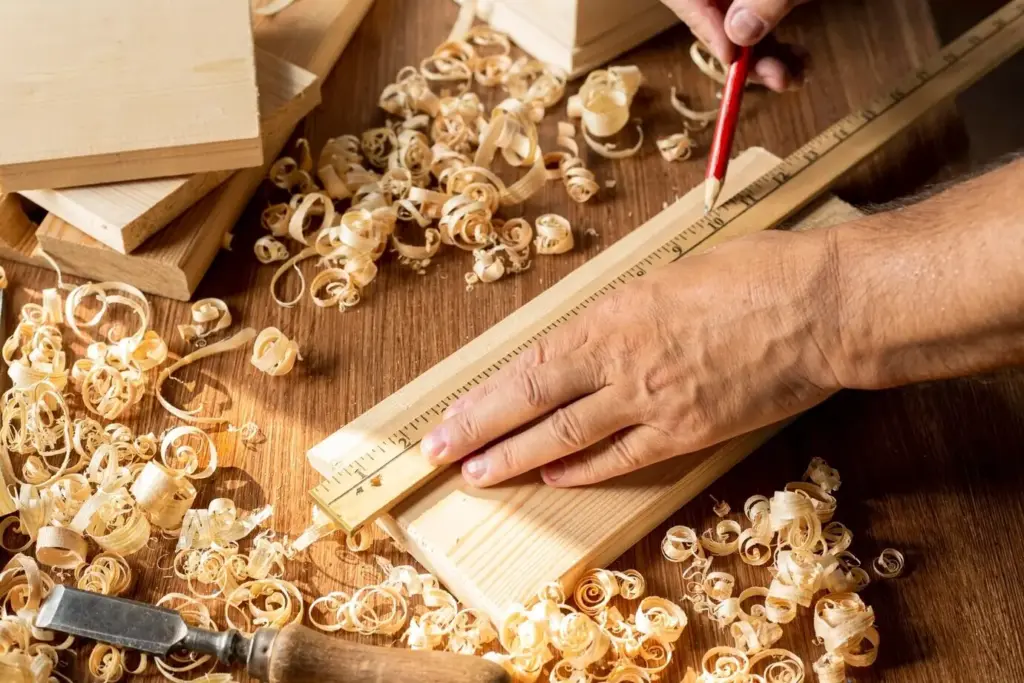
Precision is a habit built at the layout bench. Knife lines prevent wandering, gauges transfer exact widths, and story sticks eliminate measurement drift between parts. Whether you prefer hand tools, machines, or a hybrid approach, accuracy comes from reference faces, repeatable setups, sharp edges, and calm pacing. Stop blocks, verified fences, and consistent clamping pressure create a rhythm where one good joint leads to another. When your process is quiet and predictable, strength follows almost automatically.

Choosing Species for Cabinetry and Built-Ins

Consider hardness, pore structure, and stability. White oak resists wear and offers ray-fleck elegance, cherry mellows into warm character, and maple’s fine grain makes drawers smooth and strong. Use stable sheet goods for carcases when appropriate, but anchor with solid lippings or face frames. Mix species thoughtfully to manage cost without compromising performance. Match fasteners and finishes to wood density, and remember that color shifts over time. Plan for that living patina, not against it.

Reading Grain for Strength and Beauty

Grain is a map of stresses and possibilities. Turn cathedrals consistently for harmony, reserve straight grain for rails and stiles, and avoid short grain near joinery shoulders. Glue faces should present long fibers whenever possible. Bookmatch panels where it flatters the piece, not just to show off. Your chisel will tell you when grain direction is right; listen to the cut, the feel, and the curl. Strength and elegance grow from the same careful observations.

Glue Choices, Open Time, and Clamping Strategy

Hide glue offers reversibility and graceful creep control, while PVA can provide forgiving open time for complex assemblies. Epoxy shines when gaps or exterior exposure demand it. Whatever you choose, design clamps as part of the joint: opposing forces, cauls that spread pressure, and pads protecting edges. Dry fit with witness marks, rehearse your sequence, and stage tools. Calm timing beats panic every time, producing cured joints that feel relaxed rather than forced.

Designing Cabinetry and Built-Ins for Everyday Life
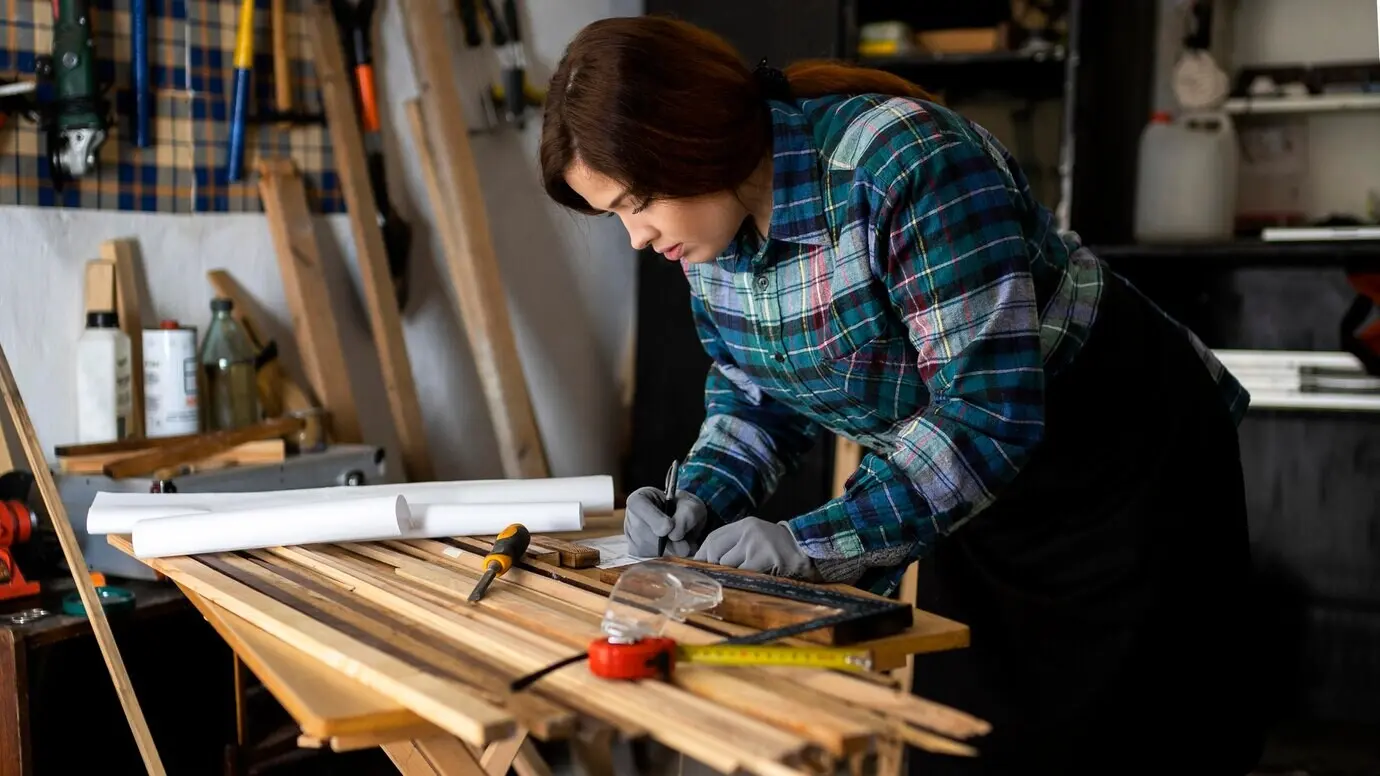
Lasting work balances structure with human use. Proportions guide comfort, doors swing without colliding with trim, and shelves resist sag under real book loads. Joinery becomes a quiet design accent, not a gimmick. Built-ins marry architecture, scribing cleanly to walls that never seem square. Consider ventilation for media cabinets, soft clearances for humidity swings, and hardware that complements rather than compensates. When design anticipates daily rhythms, craftsmanship fades into the background and simply serves with grace.
Frames look right when rail and stile widths echo cabinet scale, not a catalog page. Use classical ratios as a starting point, then adjust for contents and lighting. Drawer graduations guide the eye and reduce visual weight. Honest thicknesses prevent doors from looking timid or clumsy. Let face frames protect edges and provide robust hinge landings. When proportions feel musical, people rarely notice why; they just reach for a handle and smile without knowing the reason.
Exposed dovetails, wedged tenons, and proud pins can whisper craftsmanship when used sparingly. Let the joint’s geometry align with the piece’s purpose, never as decoration alone. A lightly chamfered pin or a contrasting wedge invites a closer look without shouting. Keep surfaces flush where hands travel often, and celebrate texture where it catches light. The most persuasive details are those discovered on the second glance, quietly telling the story of deliberate hands and careful fits.
Walls bulge, corners wander, and floors lean. Scribe panels and countertops to those realities with a steady hand and sharp plane. Use backer strips and wide scribes to preserve reveals. Plan knock-down substructures so large units travel through narrow halls. Anchor safely into studs with appropriate fasteners, even when joinery does most structural work. Once installed, caulk sparingly, finish cleanly, and let the built-in look inevitable, as if the house grew around it from the beginning.

Shop Stories, Lessons, and Your Turn

Experience clarifies theory. A chest of drawers with half-blind dovetails that survived three moves taught us proper baselines beat brute force. A library built-in with sliding dovetail shelves resisted racking despite curious toddlers climbing. A miscut mortise redeemed by a drawbored repair became a favorite teaching moment. Share your victories, mysteries, and questions below. Subscribe for future deep dives, send photos of your process, and join a community that values work built to be proudly inherited.

A Drawer That Refused to Stick

An apprentice cut half-blind dovetails with slightly proud pins, then planed them flush after glue-up. Months later, a humid summer arrived. Because the sides were hard maple and the bottom floated wisely, the drawer still slid like silk. The lesson was simple: fit the joint, respect seasonal change, and give wood the space it quietly demands. Share your own aha moments, especially the small adjustments that made everything suddenly feel under control.

Sliding Dovetails Keep a Library Square

A wall of shelves sagged in a previous life, assembled with screws and hurry. Rebuilt with tapered sliding dovetails, each shelf registered true and resisted racking without visible brackets. During installation, minor wall waves were scribed out, leaving crisp reveals. Years later, the owner emailed that nothing creaks, even when overfilled. That note brightened the week. Tell us about the joint that finally solved a nagging problem in your own projects.
Fuxomikizelilonomu
Privacy Overview

This website uses cookies so that we can provide you with the best user experience possible. Cookie information is stored in your browser and performs functions such as recognising you when you return to our website and helping our team to understand which sections of the website you find most interesting and useful.